0
Shares
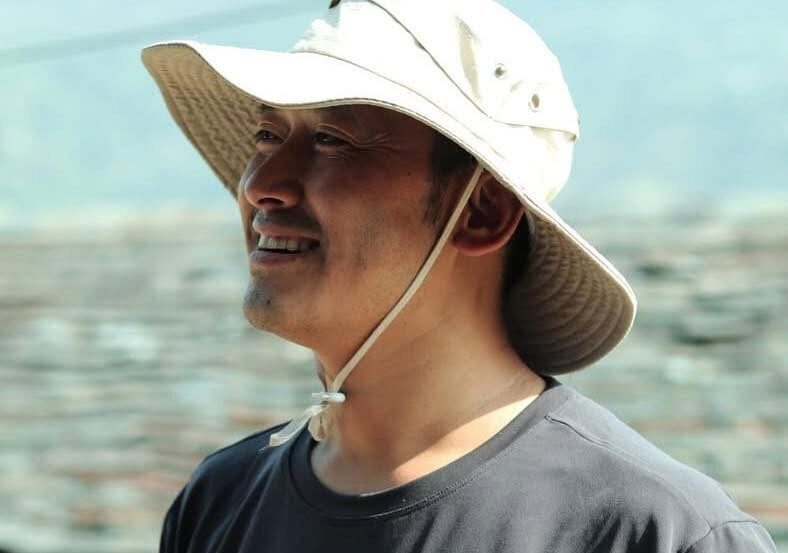



Director Ashok Thapa Magar is set to return to the big screen with his second directorial feature, Jalaki, scheduled for release on Mangsir 4. Through his latest film, he aims to weave together a love story, the nostalgia of college life, and the social and psychological challenges faced by women migrating abroad for employment.
The film particularly explores the exploitation faced by women who travel to Gulf countries as domestic workers, the complications arising from such experiences, and their impact on family relationships and the psychological well-being of their children.
According to Thapa Magar, the film primarily captures the settings and cultural essence of Pokhara and the Gandaki region. He also believes Jalaki offers a distinct cinematic experience compared to his previous film, Khushma, particularly in terms of its presentation and visual approach.
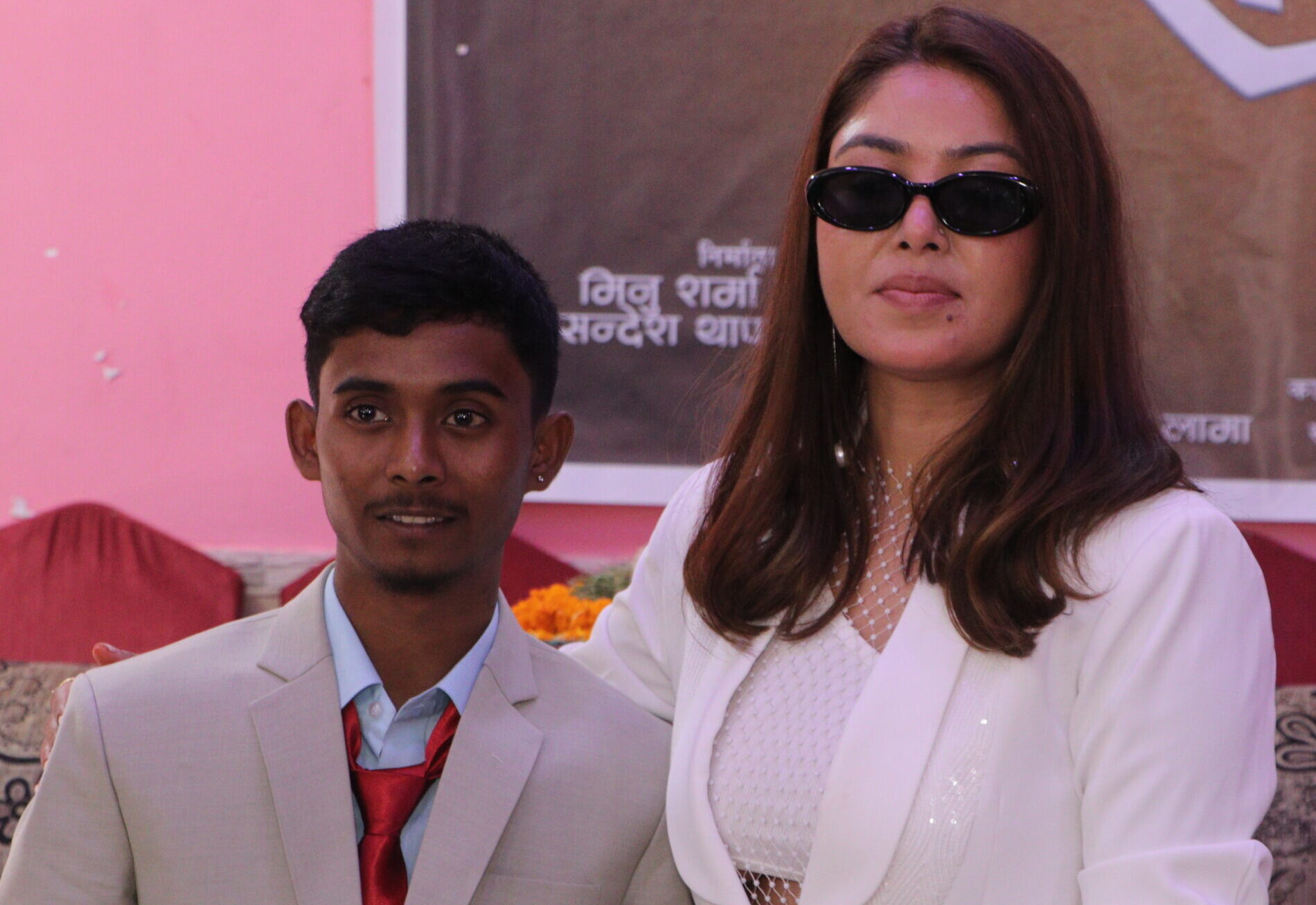
He revealed that Upasana, Sonam and Dhiraj were initially considered for the film’s casting, but various circumstances led to changes in the final cast.
Acknowledging the pressure of competing with several Nepali and international releases around the same time, the director remains hopeful that Jalaki will offer audiences a different cinematic experience.
When did the idea for this film come about?
The idea came after Khushma. However, the subject of women going abroad for employment, particularly those travelling to Gulf countries on domestic worker visas, had been on my mind for a long time. As we added other layers to the story, it gradually developed into the film we are making now.
What can audiences expect from this film?
Audiences can experience a sense of nostalgia through its love story. There is an element of college life that may remind those who have already graduated of their younger days. At the same time, current college students may also relate to the experiences portrayed in the film.
Beyond that, we are trying to deliver an important social message. The film explores the challenges faced by women who migrate abroad for domestic work, particularly to Gulf countries.
It highlights the exploitation they may face, the complications arising from such circumstances, and the impact on their lives and families. These women also have families, husbands and children waiting for them. We are trying to portray the pain and difficult circumstances they experience while living away from their families.
Another important aspect is child psychology. The film explores how the experiences of a mother can affect her daughter’s life. The character played by Upasana represents this impact.
How did you approach the casting of the film?
Initially, I had considered Upasana and Sonam for particular characters. Later, because the story is rooted in the Magar community, we decided to bring in Dhiraj as well.
We had considered moving forward with both Dhiraj and Sonam. However, Sonam encountered an issue with her leg, which created uncertainty about her availability. Later, Dhiraj also became unavailable due to scheduling conflicts.
After waiting for some time, we finalized the cast according to the requirements of the characters. We also brought in some members of the team that had worked on Khushma.
As a director, what are you trying to communicate to audiences through this film?
As I mentioned earlier, the film is fundamentally a story. However, our cinematic approach is different from Khushma. The colour palette and presentation are also quite different.
While Khushma focused more on rural settings, this film explores Pokhara and the Gandaki region. There are also some elements of Rolpa and Myagdi, but the primary focus is on college life and the Gandaki region.
I hope audiences will experience something different in terms of presentation, colour and overall cinematic feel.
Is this a film about the Magar community, or is it a story about Nepali society as a whole?
Definitely, this is a Nepali film. When characters from the Magar and Gurung communities are part of the story, their cultures and backgrounds naturally become part of it. However, the central subject matter is relevant to Nepali society as a whole.
What rating would you give your own film out of 10?
I don’t think it would be appropriate to rate my own film. However, making a film involves several compromises. There is a large team, environmental considerations and, of course, financial limitations.
Because of these factors, it is not always possible to achieve everything exactly as envisioned. I still wish I could have brought out everything I had imagined. Nevertheless, I believe audiences will not be disappointed.
How much pressure are you feeling from the market, considering several films are being released this month?
The pressure is definitely significant. When we initially booked screens and finalized the release date, the films currently competing in the market were not part of the picture.
To be honest, the situation has changed since then. Competition from Indian films has also added pressure, and now several Nepali films are being released around the same time.
However, I believe every film has its own identity. Other filmmakers have made their kind of films, and we have made ours. I hope audiences will find a different experience in our film.