0
Shares




After attending a Nepali film premiere, most of the participants—especially public figures—face the same kind of awkwardness that is common in such events.
That is, standing in front of the camera and speaking about the film right in front of its makers. Many already know that what’s expected there is only praise. Some invited celebrities even try to avoid the camera, but once you’ve attended the premiere, it doesn’t look graceful to dodge it. Thus, most of their responses end up being positive.
However, at the premiere of the Nepali film Paran held at Civil Mall on Thursday, a rare sight was witnessed after a long time.
Guests didn’t seem hesitant about giving their opinions. They spoke genuinely and praised the film wholeheartedly.
It’s been two days since the film’s release. Although the audience turnout hasn’t been as expected, almost everyone who has watched it seems to have liked it. Viewers have admitted that there were many moments in the film that gripped them emotionally. Some were seen shedding tears and sobbing; others quietly wiped their eyes so their companions wouldn’t notice. A few even stole glances to see if the person beside them was feeling the same emotions.
Some audience members who met the cast during theater visits were also seen becoming emotional and crying with them.
So, is Paran really that kind of film?
Those who haven’t watched it yet have this question in their minds—mixed with a bit of doubt.
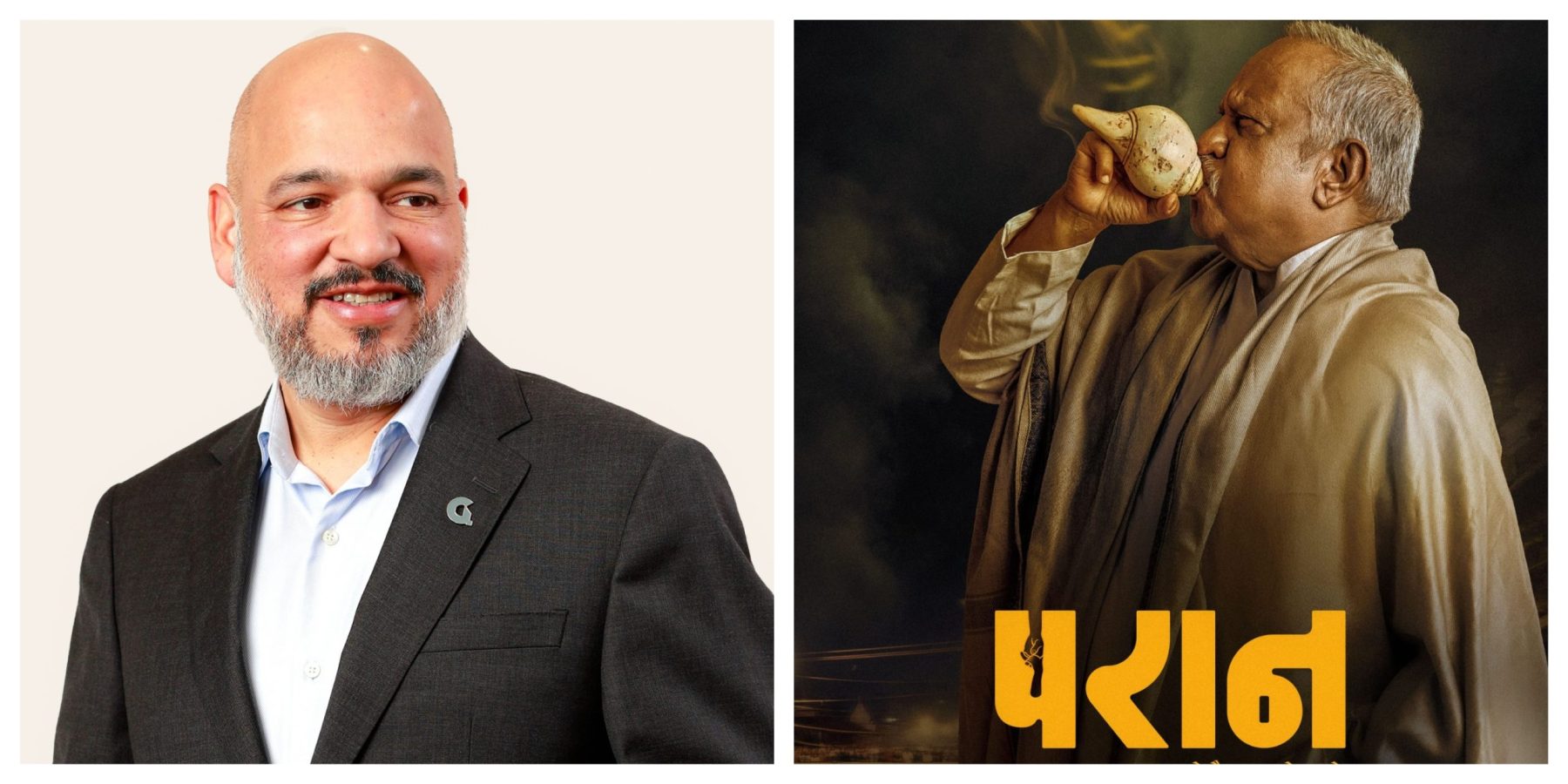
The film’s producer is Shekhar Golchha of the well-known Golchha Group. He co-produced the film through Bioscope Cinema in partnership with Ranjit Acharya of Prisma Advertising.
When the film was announced in early Magh, Golchha had shared with great enthusiasm and purpose why he was venturing into film production—and he has fulfilled those words in this film to the letter.
He had invited his friends from the business world and given a powerful statement about why he wanted to become a film producer.
At that time, he mentioned that while serving as president of the Federation of Nepalese Chambers of Commerce and Industry (FNCCI), he attended various festivals across the country as a guest. From what he saw and experienced there, he felt compelled to enter this field.
During those programs, witnessing the performances and presentations, he said he often felt a sharp pang of disappointment as a Nepali—seeing how our cultural pride was being diluted.
He used to tell organizers, “If you’re going to show things like this, please don’t invite me,” recalling those instances during the announcement event.
In that same event, he declared that his goal was to bring originality, professionalism, and corporate culture to Nepali cinema.
He had said:
“When I was president of FNCCI, I used to attend many festivals where our Nepali originality was diluted. I always told organizers that if their programs dilute our originality, they should not invite me. I wouldn’t attend, even though I was often called as the chief guest. I feel that even in our movies, our originality is fading. That originality must come back. If we keep copying other cultures, our own will not survive. Of course, there are business reasons for making films, but I also want our films to have both originality and professionalism, and to foster a corporate culture—where everyone involved works under a proper contract, gets paid on time, and everything, including taxation, remains transparent. That’s why someone from the business field like me has entered this sector.”
And indeed, the film Shekhar has made lives up to his words.
Paran portrays the psychological transformation in Nepali society brought by modernity and capitalism—the inner conflict between the desires and beliefs of two generations.
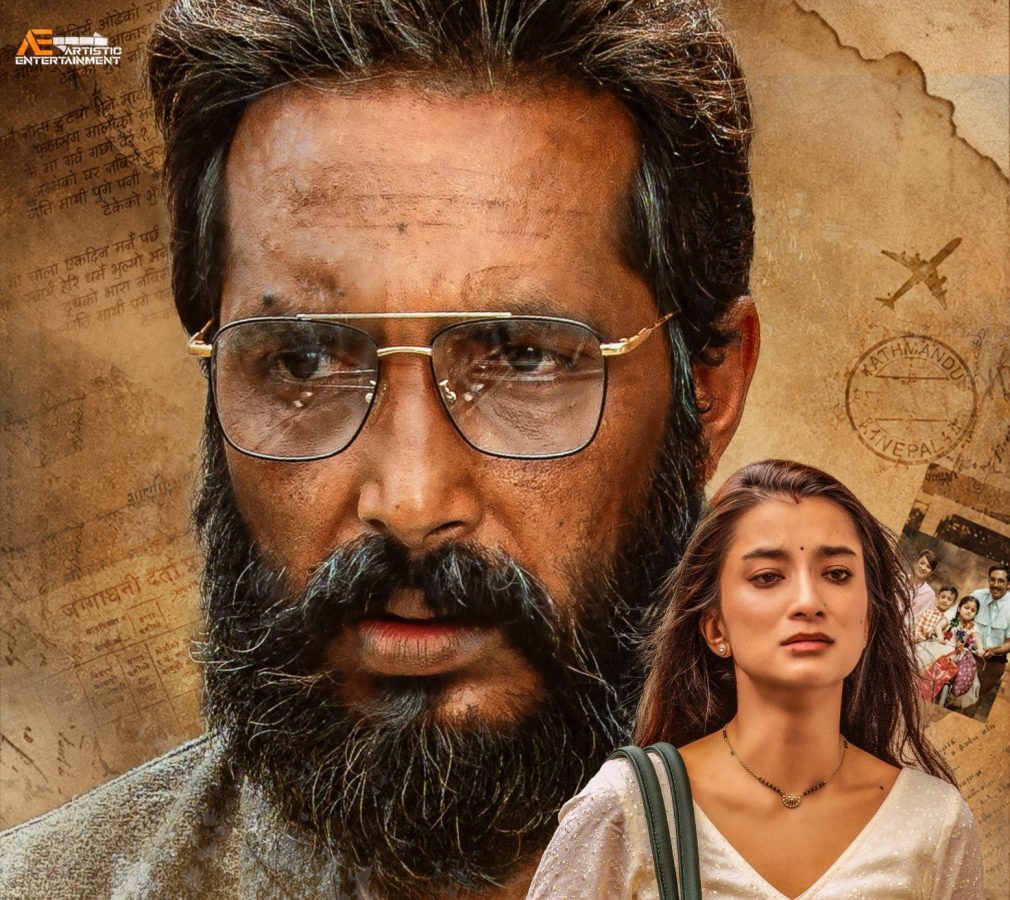
The film tells the story of a Brahmin family living in the eastern hills. Centering around the character Dharmanath (played by Nir Shah), the film presents its narrative through him. Though he has three sons—his eldest lives in Australia, the middle one in Kathmandu—he believes his youngest son, who still lives with him, will remain by his side until his last breath. Everyone around him—friends, neighbors, and villagers—know this well.
He is always willing to help others and refuses to leave the ancestral home built by his forefathers. He also wishes that his sons never leave it. In his eyes, the most dependable among them is the youngest. But when that youngest son unexpectedly wins the DV lottery, the belief Dharmanath had held so firmly begins to collapse—and the film tells the story of that emotional downfall.
In doing so, debut director Deepak Prasad Acharya (Kaku) deeply touches the emotional core of the audience. Viewers struggle to hold back their tears—and the emotion spills out naturally.
The director hasn’t sold sentiment alone; he delicately explores what family truly means in Nepali society—the expectations of aging parents, and how, once children have children of their own, their emotional focus shifts away, leaving their parents increasingly sidelined. The film also subtly reflects how the definition of the traditional joint family is shrinking.
As a family drama, Paran fulfills every quality expected of one. There are no purely positive or negative characters; rather, the story moves forward through circumstances that shape them.
It evokes nostalgia among those who have left their hometowns and villages for the city or abroad in pursuit of livelihood—reminding them of what might have been lost in the process. It stirs a realization that perhaps something precious is slipping away in the rush of life.
Through these sentiments, the film leaves a lasting impact. The natural performances of the cast and the smooth flow of the screenplay make the film an impressive piece of work.
Just as readers of Buddhi Sagar’s Karnali Blues were captivated by the craft of its storytelling, Paran delivers a similar experience on screen.
Whether it’s the recent Purnabahadurko Sarangi or the old Amitabh Bachchan starrer Baghban, both films deeply moved audiences—and Paran takes that emotional experience a step further.
Though it tells another father’s story, Paran stands out on its own.
Indeed, Paran makes you cry—perhaps not visibly with tears, but certainly from the heart.